


Dr. Saber’s Blog
The Skinny on BBL Sagging: Why It Happens and How to Prevent It
The Brazilian butt lift (BBL) — a complex plastic surgery procedure that combines liposuction with fat grafting — has now enjoyed over a decade of popularity. As a result, we now have a lot more data on how the results of this procedure change over time.
Like all other body contouring procedures, BBL results are not entirely permanent.
There are several reasons for this, including weight fluctuations. And we all know more about rapid weight loss with the increased use of injectable GLP-1 weight loss medications like Ozempic (hence the terms Ozempic Butt and Ozempic Face), Wegovy, Mounjaro, and others.
Other reasons that changes happen over time include genetics, pregnancy, and natural aging. All these factors can contribute to excess skin and shift the size and location of fat cells, naturally altering the results of your BBL procedure.
So, is BBL sagging truly unavoidable? How much can we do to counteract it? And how soon should the work start?
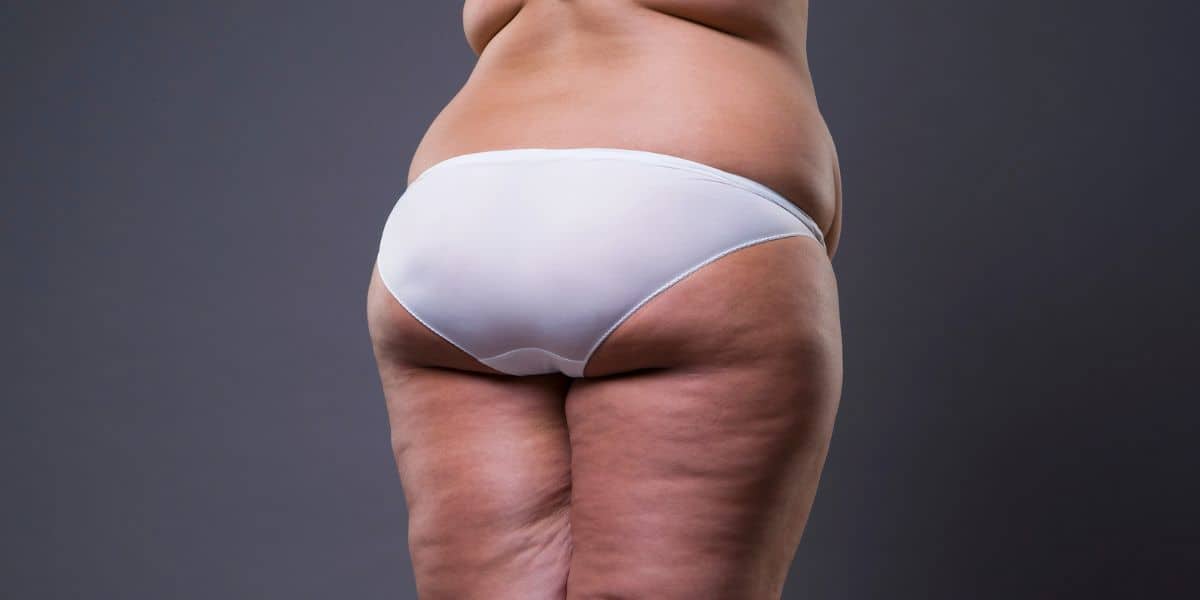
Understanding Brazilian butt lifts and their results
A Brazilian butt lift is a cosmetic procedure that allows us to reshape the waist, hips, and butt areas. To do this, plastic surgeons will:
- Remove excess fat from the abdomen or thighs via liposuction.
- Purify the extracted fat and select fat cells for grafting.
- Perform a fat transfer by injecting these cells strategically around the buttocks and glutes.
This surgery requires expertise and artistry in equal measure. A surgeon’s technique and experience are invaluable in creating graceful and predictable BBL results.
What do normal BBL results look like?
Brazilian butt lift surgery is notorious for its long healing process. Unlike other cosmetic procedures, such as a rhinoplasty or breast augmentation, where the difference is often visible as soon as the bandages are removed, the results from a BBL surgery will progressively set in over weeks or months.
First, swelling on any areas of the body from which fat was extracted will need to go down, increasing recovery time. In addition, not all the transferred fat cells will take: they may become initially larger, giving the butt a taut appearance, and then the body will reabsorb between 30%-50%.
During this period, it’s important to be patient and maintain realistic expectations. After four to six months, you’ll start to see the final results from your sculpting — assuming you maintain a stable weight and take good care of your skin.
Skin elasticity 101
Human skin is naturally elastic: it stretches and contracts as we age, get pregnant, or with fluctuations in our weight. This elasticity keeps buttocks, breasts, and other bulkier areas perky and firm, even as the grafted fat cells swell and shrink.
Good skin elasticity allows transferred fat to settle more evenly, and stretch marks are less likely to develop.
Unfortunately, skin elasticity is neither uniform nor eternal. It depends on your body’s ability to produce collagen and elastin, two proteins that provide structure and firmness to the skin. Several factors can lower elastin and collagen production, such as:
- Age
- Genetics
- Smoking
- Sun exposure
- Diet
- Hydration
Why do BBL results change over time?
Even under perfect circumstances, most women will see the shape of the buttocks slowly change over time, and those who have undergone a BBL are not exempt from this.
Overall, three factors can alter the results of a BBL.
The first is often expected and calculated. We know how the natural fat absorption process works, and an experienced board-certified surgeon will take this into account while planning the surgery. We know not all grafted fat will remain, and that fat cells shrink over time. This is why we warn every patient that their butt enhancement will look bigger at first, even if there’s no weight gain.
The second factor is truly unavoidable: aging. Collagen and elastin production dwindle as we age, causing progressive skin laxity. Meanwhile, gravity will progressively add to the damage by shifting fat cells down on already loose skin.
There are many lifestyle adjustments we can make and self-care strategies that can help keep our skin supple for longer.
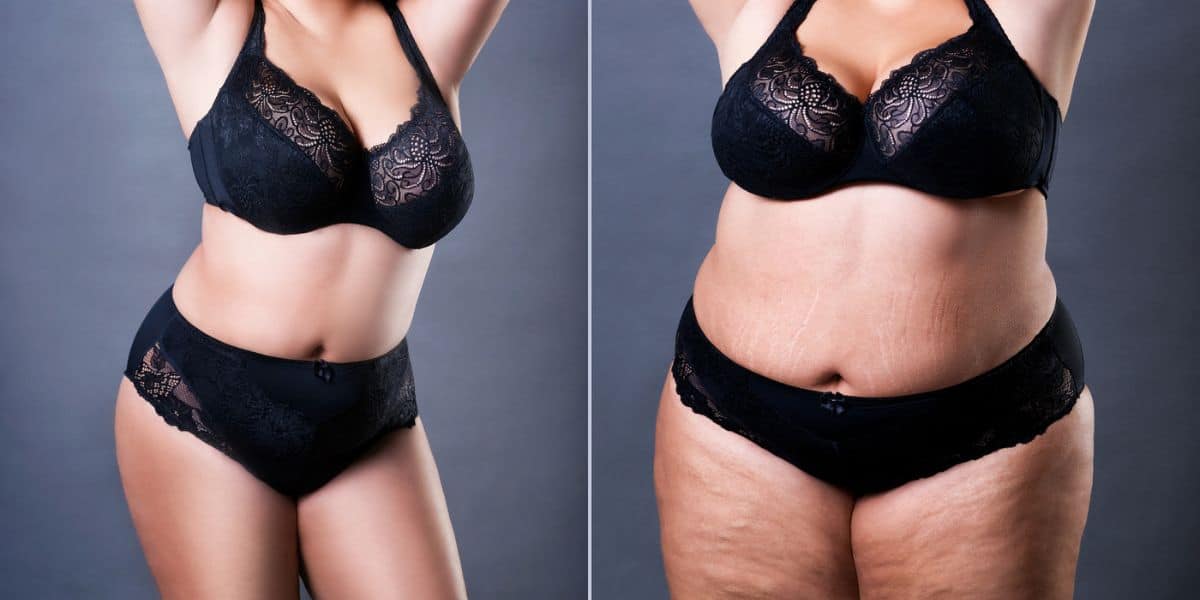
Finally, there’s the impact of weight fluctuations. Weight loss and saggy skin often go together. Anyone who has undergone massive weight loss (30 pounds or more) will be familiar with this.
But smaller, frequent fluctuations in weight can also take their toll on skin elasticity. Even minor weight gain can stretch our skin, and after weight loss, it may take some time for our skin to return to its original size. This is usually no big deal when you’re 25 or 30, but as we approach menopause, the effects of yo-yo dieting will become more visible, and weight management will become a priority in order to maintain skin elasticity.
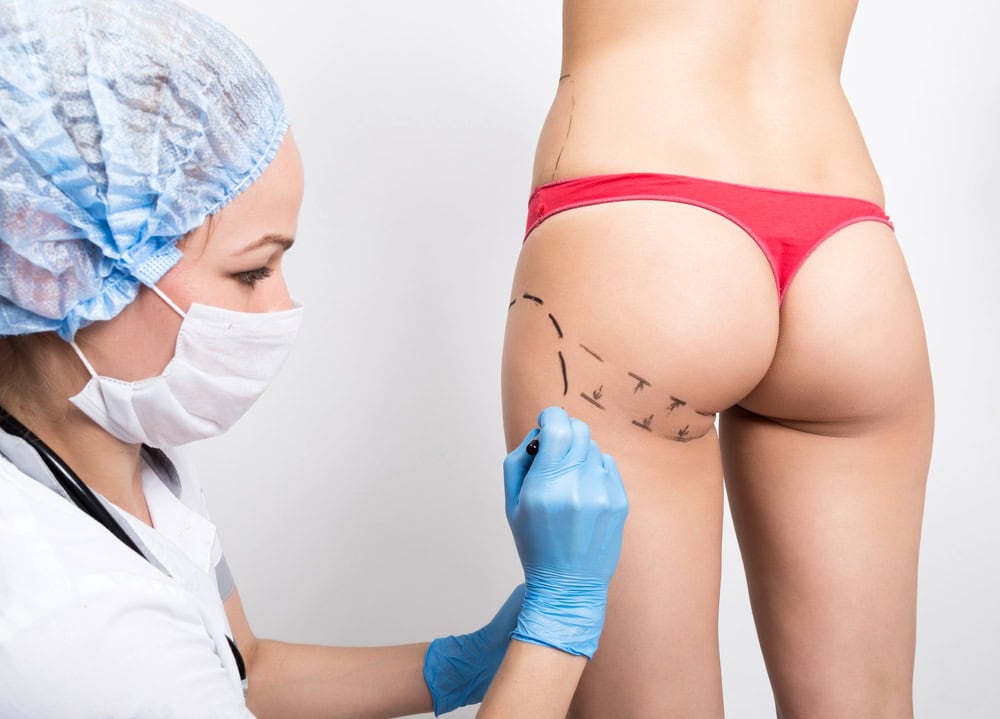
What can you do to preserve your BBL results?
Although not all surgeons take this approach, the team at our clinic believes that the work to prevent a sagging BBL should start during a patient’s initial consultation. We always consider skin elasticity when planning a Brazilian butt lift procedure.
A patient with good skin elasticity is a good candidate for a more ambitious procedure, as we can graft more fat cells. We can also work alongside a dermatologist to make skin firmer before a BBL.
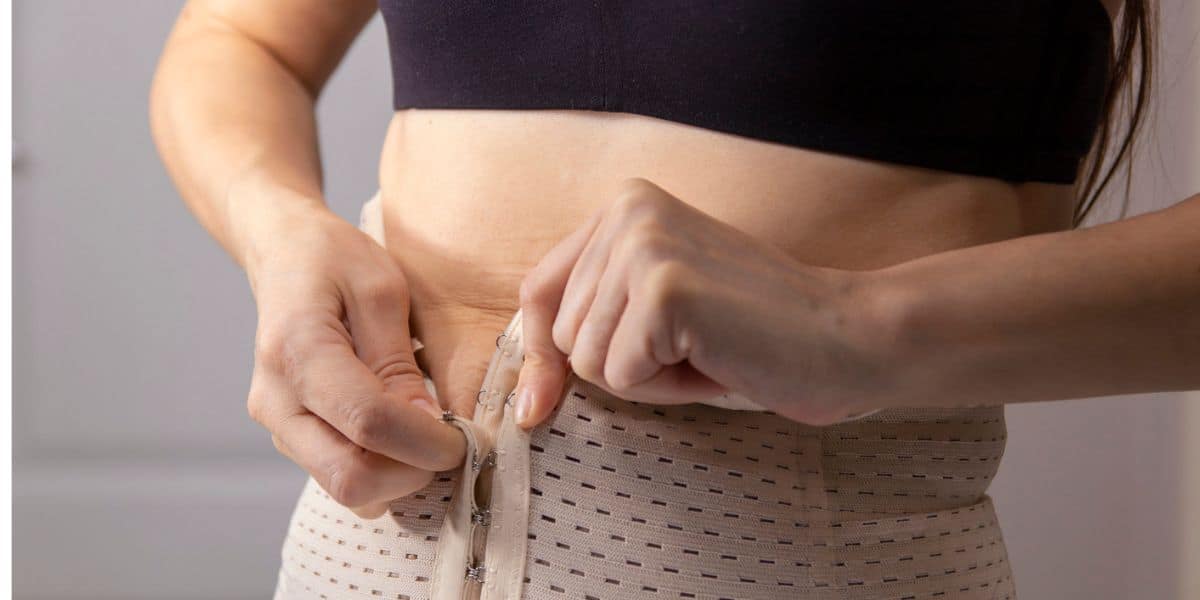
The days and weeks immediately after surgery are also important. Many of our post-op instructions — such as wearing compression garments or applying ice packs — will help your skin adapt better and prevent stretch marks or saggy sections.
What can you do to preserve your BBL results?
Although not all surgeons take this approach, the team at our clinic believes that the work to prevent a sagging BBL should start during a patient’s initial consultation. We always consider skin elasticity when planning a Brazilian butt lift procedure.
A patient with good skin elasticity is a good candidate for a more ambitious procedure, as we can graft more fat cells. We can also work alongside a dermatologist to make skin firmer before a BBL.
The days and weeks immediately after surgery are also important. Many of our post-op instructions — such as wearing compression garments or applying ice packs — will help your skin adapt better and prevent stretch marks or saggy sections.
How does lifestyle play a role?
Over the years following cosmetic surgery, maintaining a stable weight is the best way to prevent saggy skin. However, if weight loss is necessary, a steady and sustainable approach is key. A nutritious, balanced diet, together with a healthy exercise routine, will be more beneficial and sustainable in the long term, while crash diets and radical programs should be avoided.
Generally, a healthy lifestyle will protect your skin and preserve your body’s ability to produce collagen. We cannot overstate the importance of using sunscreen and steering clear of nicotine.
Non-surgical skin-tightening options
For women interested in more proactive measures, non-invasive skin tightening treatments can help you achieve long-lasting results. These include:
- Radiofrequency treatment uses an electromagnetic device to stimulate collagen and elastin production.
- Vacuum butt lifts, or cupping therapy, were initially designed to fight cellulite but may also make skin temporarily firmer.
- Ultherapy uses ultrasound waves to improve the appearance of sagging skin over time.
These treatments may not require any incisions but should still be performed by a licensed medical practitioner. Cheaper, more routine alternatives, such as firming creams or massages, are also available, but the American Academy of Dermatology warns about their effectiveness.
Surgical touch-ups or revisions
Throughout our lives, we’re bound to face many body-altering circumstances caused by events as diverse as pregnancy or career or lifestyle changes. In such cases, the most effective way to combat flab after losing weight may be to undergo further surgery.
A buttock or gluteal lift is the most common surgical procedure to correct a sagging BBL. This surgery can be best described as a tummy tuck for the butt: instead of increasing their size, it removes some of the skin around the buttocks, tightening and creating a more toned look.
CALL (818) 770-7050 OR CLICK HERE TO SCHEDULE ONLINE
Looking for a long-lasting BBL in Los Angeles? Talk to Dr. Saber in Encino!
Dr. Sepideh Saber, MD, FACS, is a board-certified plastic surgeon who distinguishes herself through her extensive training and caring outlook for patients of all genders, ages, and walks of life. Her sensitive feminine approach allows her to achieve optimal results for her patients, both aesthetically and emotionally.
Dr. Saber began her career at Stanford University School of Medicine, completed her reconstructive and plastic surgery residency at the University of Southern California, and then completed a fellowship at New York University.
Call (877) 205-4100 to request a consultation or schedule a consultation online.
Dr. Saber’s practice is located in Encino, CA, and is used by patients throughout the Los Angeles area. We are also convenient to Encino, Woodland Hills, Sherman Oaks, Calabasas, Burbank, Glendale, Hidden Hills, Agoura Hills, Northridge, North Hollywood, Malibu, Topanga, Canoga Park, Reseda, Valley Glen, Chatsworth, West Hills, Winnetka, Universal City, Bel Air, Beverly Hills, Downtown Los Angeles, Silverlake, and Echo Park.
Sagging BBL FAQs
Will taking Ozempic (semaglutide) cause you to lose your BBL results?
Yes, taking Ozempic (semaglutide) can cause you to lose fat in your buttocks, including fat from a BBL. This may reduce the size and shape of your BBL results since Ozempic leads to overall body fat loss. Maintaining a stable weight is the best way to preserve your BBL.
How can I prevent my BBL from sagging?
You can take the following steps to prevent your BBL (Brazilian butt lift) from sagging:
Avoid sitting or lying directly on your buttocks for several weeks after surgery; use a special pillow if needed.
Wear compression garments as recommended by your surgeon to support the new shape and minimize swelling.
Maintain a stable weight — significant fluctuations in weight can affect the shape and volume of your buttocks.
Engage in regular resistance training and strength training (squats, lunges, deadlifts) to strengthen gluteal muscles, support firmness, and build muscle.
Eat a balanced diet rich in protein and collagen-boosting nutrients to support skin elasticity and muscle health.
Quit smoking and avoid excessive alcohol, as these can impair healing and skin quality.
Follow all post-operative care instructions from your surgeon for optimal fat survival and long-term results.
Consistent healthy eating and exercise habits and proper care are key to maintaining your BBL results and preventing sagging over time.
What does Ozempic do to muscles?
Ozempic, a medication used for diabetes and weight loss, works by helping people eat less and lose weight quickly. However, when people rapidly lose weight with Ozempic, they tend to lose muscle along with fat. Studies have shown that, on average, about 25%-40% of the weight lost while taking Ozempic can come from muscle mass, not just fat. This is similar to what happens with other forms of rapid weight loss, whether from diet, surgery, or other medications. Losing muscle can make you feel weaker and may affect your ability to do everyday activities.
How does Ozempic cause changes in body shape?
The changes in body shape from Ozempic are most noticeable in areas where fat loss is more visible, such as the face and waistline. Rapid or significant weight loss can reduce the fat that normally gives the face a smooth, full appearance, resulting in what is sometimes called an Ozempic face — a hollowed or sagging look due to the loss of facial fat. Similarly, loose or sagging skin may develop, especially in areas of the body where fat is lost quickly, like the abdomen or buttocks, potentially affecting the look of a BBL. While these changes reflect the effectiveness of Ozempic in reducing body fat, they can also alter a person’s appearance in ways that some may find concerning.
Where can you learn more about managing Ozempic’s side effects?
Medical websites like WebMD, Medical News Today, and Drugs.com provide detailed information about common and serious side effects of Ozempic, such as nausea, diarrhea, constipation, and rare but severe reactions like pancreatitis or allergic responses.
Sources
Does Ozempic affect your buttocks? What to know about “Ozempic butt”
https://www.medicalnewstoday.com/articles/drugs-ozempic-butt?
Effects of Antidiabetic Drugs on Muscle Mass in Type 2 Diabetes Mellitus
https://pubmed.ncbi.nlm.nih.gov/32628589
Body Contouring Following Massive Weight Loss – PMC
https://www.ncbi.nlm.nih.gov/pmc/articles/PMC6188338
New Ultherapy method: Utilizing novel surgical and anatomical concepts yields outstanding results
https://pubmed.ncbi.nlm.nih.gov/38773827
Smoking and skin: a study of the physical qualities and histology of skin in smokers and non-smokers
https://pubmed.ncbi.nlm.nih.gov/12013196

Dr. Saber offers a more sensitive, female perspective for patients of all ages, genders, and orientations. Former patients from all walks of life have praised not only their treatment outcomes but her caring, thoughtful approach to a wide array of appearance and health-related matters.
Categories


What patients say about Dr. Saber …
I was fortunate to find Dr. Saber after researching board-certified surgeons who specialize in breast cancer reconstruction revision surgery. I knew I was in good hands from the moment I spoke with the lovely and efficient Marlene, Dr Saber's office manager. Dr Saber patiently listened to my concerns and, after examining me, explained what I could realistically expect the outcome to be from another surgery. She also explained to me that she would need to review my previous surgery notes before we could discuss a possible further surgery, which I found comforting and highly ethical. I also discussed a couple of other procedures that I would like done, including fat removal from my large upper arms that had caused me great embarrassment for several years. Dr. Saber is an excellent surgeon who is incredibly kind and genuine. She truly understands the female body and the emotional aspect of body insecurities yet, she is transparent about what can and cannot be done and takes time to discuss realistic expectations and outcomes. My breast reconstruction revision surgery will take place in the New Year, but in the meantime, I have the most fabulous upper arms that I recently flaunted in a strapless dress (something I have not done in years). Dr Saber is truly one of a kind, and I still cannot believe how fortunate I am to have found her. I highly recommend Dr Saber.

I don’t have enough wonderful words to describe Dr Saber and Marlene! I had a tummy tuck done this year and from start to finish the entire experience was amazing. Marlene is always so helpful and works so hard to make every detail a breeze for you. When I had my consultation with Dr Saber I was at a point of complete agony with my body. She instantly took that stress and frustration off my shoulders! As a woman not being heard by doctors for years I left that consultation with happy tears knowing I had finally found my Dr. It was a major surgery and I felt completely zen and at peace going in because she really does make you feel that safe. I didn’t think I would ever look the way I do now! She gave me the gift of having the body I kept fighting for. I will never stop recommending her.

I saw Dr. Saber when I broke my wrist. I ended up having to have surgery. She did an excellent job and I am healing nicely. She was very professional, but was also very kind and compassionate. I would highly recommend her!!

I LOVED DR SABER!!! There are a few reasons why I chose her. One was because she’s a female Doctor that was my goal who also did a good job (which I was able to confirm with all her before and after photos) and what sold me was my safety in mind. She made me feel like I was in the best hands ever along with Marlene who coordinated everything THANK YOU LADIES! Dr Saber helped me get back the body I have always desired. I had a lot of stomach fat from weight gain and I lost weight so a lot of my weight was in my front lower and upper abdomen. Now I have a super beautiful curvy body like an hourglass after a tummy tuck and lipo she did. She understood the assignment hahaha . I’m 32 years old no kids just wanted to enjoy my younger body looking and feeling beautiful and she really took good care of me. Even after hours I had an emergency due to my fault but she was there and got back to me very quickly and I’m very grateful. I also think her work says a lot because I stopped taking pain medication on the 3rd day after surgery and was fine with very minimal pain I was able to tolerate the healing process. Highly recommend going with her I just had a wonderful experience and would do it all over again if I had too. Maybe after I have kids. Thanks Dr Saber and team <3

Dr.Saber is by far one of the best plastic surgeons. I love how she takes her time to explain any procedure to the patients understanding. She always makes sure to answers any and all questions.From fillers to body contours she’s the one you want.

Dr Saber is amazing! She is caring and very informative. I went in for fillers and she explained procedure step by step. I highly recommend her and look forward to future visits.

Dr. Saber was friendly, knowledgeable and professional. She took time to listen, answer all my questions and was forthright in her recommendations. Her staff was friendly and helpful. I was very happy with the results and plan on going back. If you are looking for a first rate professional experience look no further she is the doctor for you!

Dr. Saber is one of a kind plastic surgeon with a heart of gold. She is a well verse plastic surgeon that puts her patient's needs before anything else. She genuinely cares about every single patient, and her work speaks for itself. I notice every post-operative result on her Instagram (@saberplasticsurgery) the patients have this glow that radiates through. I have been going to Dr. Saber for my Botox for the past 3 years, and love the results every time. I know who I will be going to for any future plastic surgery needs, and will confidently refer family and friends to Dr. Saber for any Botox, fillers, and plastic surgery consultations.

I have nothing but great things to say about Dr. Saber! I am so pleased with my results from a breast augmentation she performed on me back in late June! She answered all my questions and concerns before and after my surgery. She’s very easy to get in contact with and she’s so nice. She made feel so comfortable throughout the whole process. 100/10 Lover her work!!

Dr Saber is hands down the best surgeon! She took her time answering my questions and explained procedure in detail. After doing liposuction six months ago, I am extremely happy with my results and I appreciate her so much.

Dr. Saber is so kind and thorough with her patients! She is an amazing doctor and genuinely cars about everyone she comes in contact with. I would recommend her to anyone for any hand surgery or cosmetic procedure.